

How Fallen Leaves Can Affect Gutter Connections, Outlets, and Water Flow
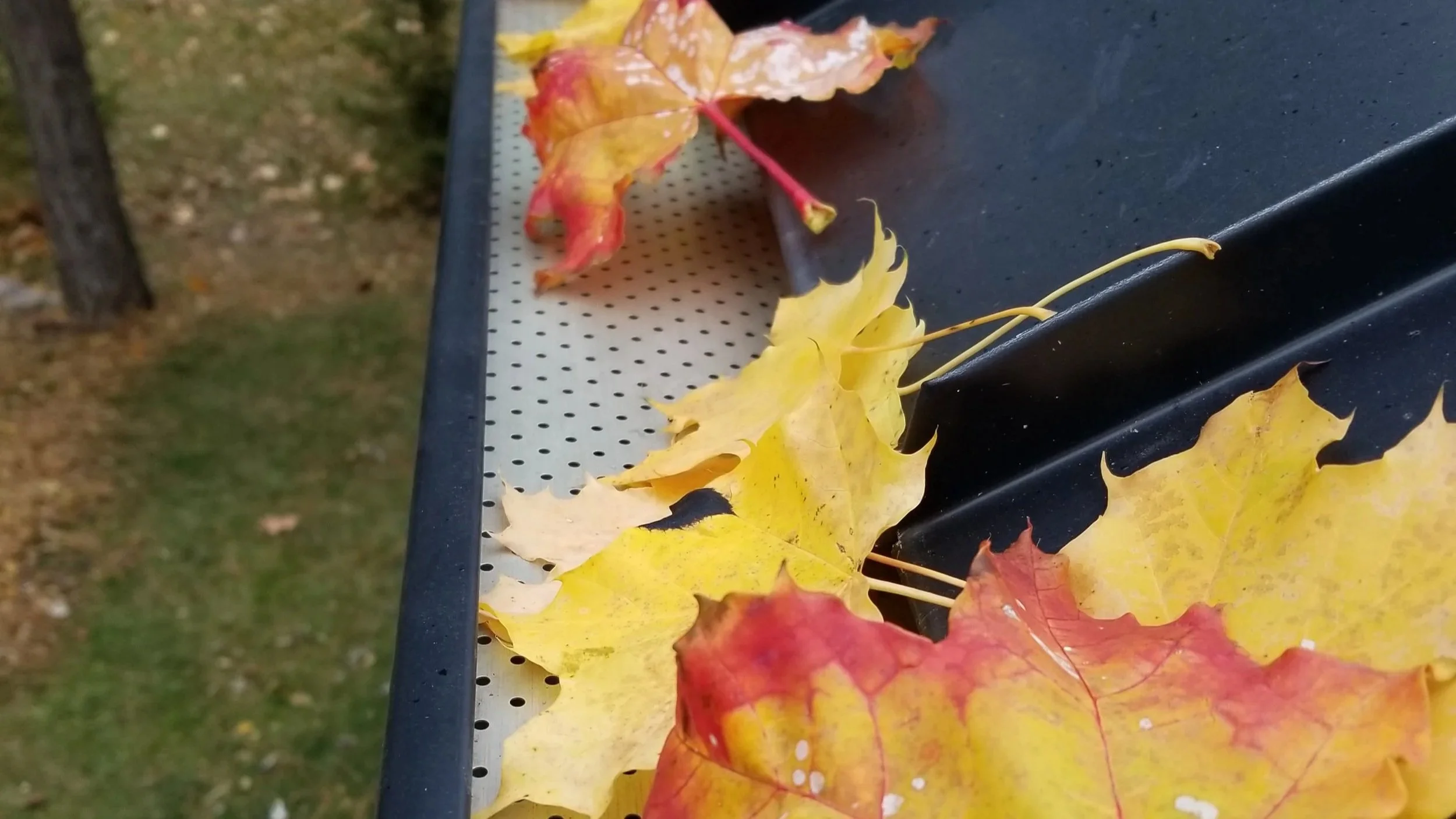
Fallen leaves are part of autumn in Calgary, but they can create more than a messy cleanup job around your home. Once leaves, twigs, pine needles, and other organic debris begin collecting inside eavestroughs, they can interfere with the way water moves from your roof to the ground.
The problem is not always obvious. An eavestrough can look reasonably clean from the ground while debris is packed around a gutter outlet, trapped at a connection, or building up inside a downspout. As the blockage grows, water can slow down, back up, or overflow.
For Calgary homeowners, dealing with fallen leaves before winter is especially important. Gutter Doctor recommends cleaning eavestroughs at least twice a year, with late fall being one of the key times because leaves and seasonal debris have accumulated by then.
Why Fallen Leaves Can Cause Gutter Problems
Your home's drainage system is designed to follow a simple path:
Roof → Eavestrough → Outlet → Downspout → Discharge Area
Rainwater and melting snow enter the eavestrough, travel toward an outlet, move through the downspout, and are directed away from the home.
When leaves build up along this path, water may no longer move as efficiently.
Gutter Doctor identifies water spilling over the gutter edge, sagging sections, staining below gutters, water pooling near the property, and poor water flow from downspouts as signs that an eavestrough system may need attention.
That is why fall gutter maintenance should involve more than simply removing the leaves you can see.
How Leaves Affect Gutter Connections
Gutter connections, seams, and attachment points need to remain secure for the system to function properly.
When leaves and other debris become wet, they can become heavier. If water also becomes trapped because drainage is restricted, additional weight can remain inside the eavestrough.
Over time, homeowners may notice:
Sagging gutter sections
Loose fasteners
Leaking seams
Separated joints
Sections pulling away from the fascia
Water overflowing near connection points
Gutter Doctor's cleaning process includes a visual check for issues such as loose seams and pitch problems after debris has been removed.
This is important because cleaning and repair are not necessarily the same thing. Removing leaves may restore water flow, but an already damaged or loose connection may still require attention. Homeowners can learn more about eavestrough and downspout repair if damage is identified.
What Happens When Leaves Collect Around Gutter Outlets?
The gutter outlet is where water leaves the horizontal eavestrough and enters the downspout.
It is one of the areas homeowners should pay close attention to during fall maintenance.
Leaves can collect around the opening and restrict the amount of water that can enter the downspout. As more debris builds up, water may begin backing up inside the eavestrough.
Eventually, that water may spill over the front edge rather than moving through the intended drainage route.
Gutter Doctor specifically includes packed leaves and debris around corner seams and downspouts among the blockages addressed during professional eavestrough and downspout cleaning.
Fallen Leaves Can Block Downspouts Too
A gutter can be relatively clear while the downspout is still restricted.
Leaves, twigs, dirt, and organic sludge can move toward the outlet and become trapped farther down the drainage path. When that happens, water may have difficulty leaving the eavestrough.
Some signs of a possible downspout blockage include:
Water backing up into the eavestrough
Slow drainage
Overflow during rainfall
Little or no water coming from the bottom of the downspout
Water collecting near the home
Gutter Doctor's professional cleaning service includes flushing downspouts to clear trapped debris and help restore unrestricted water passage.
For more information, homeowners can also read about how downspout cleaning prevents water damage to your foundation.
Why Restricted Water Flow Leads to Overflow
An eavestrough is supposed to collect and direct water, not hold it.
When leaves restrict the drainage path, water can accumulate inside the trough. During a heavy rainfall, the amount of incoming water can quickly exceed what the partially blocked system can move.
The result may be water spilling over the front edge.
Overflow can leave moisture marks beneath the gutter and contribute to water collecting around the property. Gutter Doctor notes that clogged gutters can contribute to water overflow, soil erosion, and other drainage concerns.
For homeowners, one useful way to evaluate gutter performance is to observe the system during or after rainfall. Actual water movement can reveal problems that are difficult to identify when everything is dry.
Why Wet Leaves Are More Concerning
Freshly fallen leaves may seem harmless because they are light and loose.
That changes when rain soaks them.
Wet leaves can become heavier and may combine with dirt, twigs, pine needles, and other organic material. Over time, the mixture can become compacted inside the eavestrough.
This is one reason a gutter that looked relatively clear earlier in the season can become restricted surprisingly quickly.
Homes surrounded by mature trees may require more frequent cleaning than homes with fewer trees. Gutter Doctor recommends at least spring and fall cleaning for most Alberta homes, with additional cleaning potentially needed for properties surrounded by dense mature trees.
The Connection Between Fall Leaves and Winter Drainage
Fall gutter cleaning becomes particularly important as Calgary heads into winter.
Once temperatures drop, water trapped by debris can freeze. During warmer periods, melting snow and ice need a clear path through the roof drainage system. If leaves and other material are still blocking that path, water may back up and freeze again.
Gutter Doctor explains that Calgary's freeze-thaw conditions can create additional stress when debris remains inside eavestroughs. Frozen blockages and trapped water can add weight to the system and increase the risk of gutter separation.
Cleaning before winter therefore helps prepare the drainage system for changing conditions rather than waiting until a winter blockage appears.
Homeowners can also learn more about Alberta freeze-thaw cycles and exterior drainage systems.
Look at the Entire Gutter System, Not Just the Trough
One of the biggest mistakes homeowners can make is treating the eavestrough as an isolated component.
The roof, gutters, outlets, downspouts, fascia, soffits, and surrounding drainage areas all work together.
Gutter Doctor describes the home's exterior drainage system as a connected network designed to move rainwater and melting snow away from the property.
After removing leaves, check the entire path.
Ask:
Is the eavestrough clear?
Are the outlets free from visible debris?
Are the downspouts draining?
Are there any loose or sagging sections?
Is water overflowing during rainfall?
Is water collecting near the home?
Are there visible signs of moisture around the fascia or soffit?
Looking at the complete system can reveal problems that would otherwise be missed.
Check for Sagging Gutter Sections
Sagging is another sign worth paying attention to after a season of leaf accumulation.
A gutter that has collected heavy wet debris may carry additional weight. Sagging can also indicate attachment or other system problems, so homeowners should not automatically assume leaves are the only cause.
Gutter Doctor identifies sagging gutter runs as one of the visible indicators of potential blockage or drainage problems.
If a section is visibly lower than the surrounding gutter, it is worth having the condition evaluated before winter.
Watch for Overflow Stains
Look beneath the eavestrough line for signs that water has repeatedly overflowed.
Staining below a gutter can provide a clue that water has not been consistently following its intended path.
Overflow can result from several conditions, including:
Debris buildup
Restricted outlets
Blocked downspouts
Drainage problems
Gutter alignment issues
Gutter Doctor recommends observing gutters during rainfall because overflow points can help identify areas that require further evaluation.
Do Not Ignore the Downspout Discharge Area
Clearing the eavestrough and downspout is only part of proper water management.
Homeowners should also pay attention to where water is being discharged.
If water leaves the downspout but collects immediately beside the home, the drainage concern has not necessarily been solved.
Gutter Doctor's guidance on complete home drainage emphasizes considering the entire route water takes, including gutters, downspouts, discharge points, and the ground around the property.
The goal is simple: water should have a clear route away from the home.
For additional information, homeowners can read about what happens to rainwater after it leaves your gutters.
A Fall Leaf and Gutter Checklist for Calgary Homeowners
Before winter arrives, take a few minutes to check the following:
Inside the eavestrough
Remove visible leaves and organic debris.
Look for compacted material.
Check corners and low areas.
Look around outlet openings.
At the connections
Look for loose or separated seams.
Check for visible leaks.
Look for sagging sections.
Check for loose or missing fasteners.
At the downspouts
Check for visible blockages.
Look for slow drainage.
Observe water flow during rainfall.
Make sure water is leaving the downspout properly.
Around the property
Watch for water pooling.
Look for soil erosion.
Check for staining below the gutter line.
Look for visible moisture concerns around fascia and soffit.
Gutter Doctor's fall drainage guidance similarly recommends removing leaves, checking downspouts after rainfall, watching water movement, inspecting sagging sections, and looking for signs of erosion or moisture exposure.
How Often Should Calgary Homeowners Clean Their Eavestroughs?
For most Alberta homes, Gutter Doctor recommends cleaning eavestroughs at least twice a year, once in late spring and again in late fall after the leaves have fallen. Homes surrounded by dense mature trees may need additional cleaning.
The right schedule can depend on how much debris your property receives.
If your home sits beneath mature trees, waiting for one annual cleaning may allow significant buildup between maintenance visits.
Should You Clean the Gutters Yourself?
Homeowners can perform basic visual checks from ground level, but cleaning eavestroughs may involve ladders, roofs, and elevated work.
Gutter Doctor notes that professional gutter maintenance can help identify issues such as loose fasteners, improper slope, hidden fascia deterioration, leaks, and downspout problems while removing debris.
If the gutters are difficult to reach, the home is multiple stories, or you are uncomfortable working at height, professional service can be a safer option.
Homeowners considering the risks can also read eavestrough cleaning safety: why DIY isn't always worth the risk.
Frequently Asked Questions
Can fallen leaves block gutter outlets?
Yes. Leaves and other organic debris can collect around outlet openings and restrict the movement of water into the downspout.
Can leaves cause gutters to overflow?
Yes. When debris restricts water movement, water can back up inside the eavestrough and spill over the edge.
Can leaves affect gutter connections?
A buildup of wet debris can add weight to an eavestrough, while restricted drainage can leave additional water inside the system. Sagging, loose connections, and other visible issues should be evaluated rather than attributed to leaves alone.
Why are downspouts important?
Downspouts carry water collected by the eavestroughs down to the ground and away from the home. If they become blocked, water may back up into the gutter system.
How do I know if my downspout is blocked?
Water backing up into the eavestrough, slow drainage, overflow, or little water coming from the bottom of the downspout can indicate a possible blockage.
When should Calgary homeowners clean their gutters?
Late fall is an important time because most leaves have fallen and should be removed before winter. Gutter Doctor recommends cleaning most Alberta homes at least once in spring and once in fall.
Can clogged gutters cause winter problems?
Yes. Debris can restrict drainage, and trapped water can freeze during Alberta's freeze-thaw cycles. This can contribute to ice buildup and additional stress on the gutter system.
What should I check after cleaning my gutters?
Check the eavestrough connections, outlets, downspouts, visible fasteners, and gutter alignment. During rainfall, observe whether water moves through the system without backing up or overflowing.
Do homes surrounded by trees need more gutter cleaning?
They may. Gutter Doctor notes that homes surrounded by dense mature trees may require more frequent cleaning than the typical spring and fall schedule.
What if my gutters are clean but still overflowing?
The issue may involve more than debris. Gutter pitch, loose connections, damaged sections, outlet restrictions, downspout problems, or other drainage conditions can affect water flow. A professional inspection can help identify the cause.
Keep Fallen Leaves From Becoming a Bigger Drainage Problem
Fallen leaves are a normal part of Calgary's fall season, but they should not be allowed to accumulate until they interfere with the entire drainage system.
The key is to look beyond the visible leaves. Check the eavestrough itself, the connections between sections, the outlets, the downspouts, and the area where water is discharged. Watch for sagging, overflow, leaks, and other signs that water is not moving as it should.
A clean, free-flowing gutter system is better prepared for Calgary's rain, snow, freezing temperatures, and seasonal runoff. Gutter Doctor provides eavestrough and downspout cleaning, repairs, installation, and exterior maintenance services for homeowners throughout Calgary, Edmonton, and surrounding Alberta communities.