

Why Water Pooling Near Your Home Is Often a Gutter System Problem
Introduction
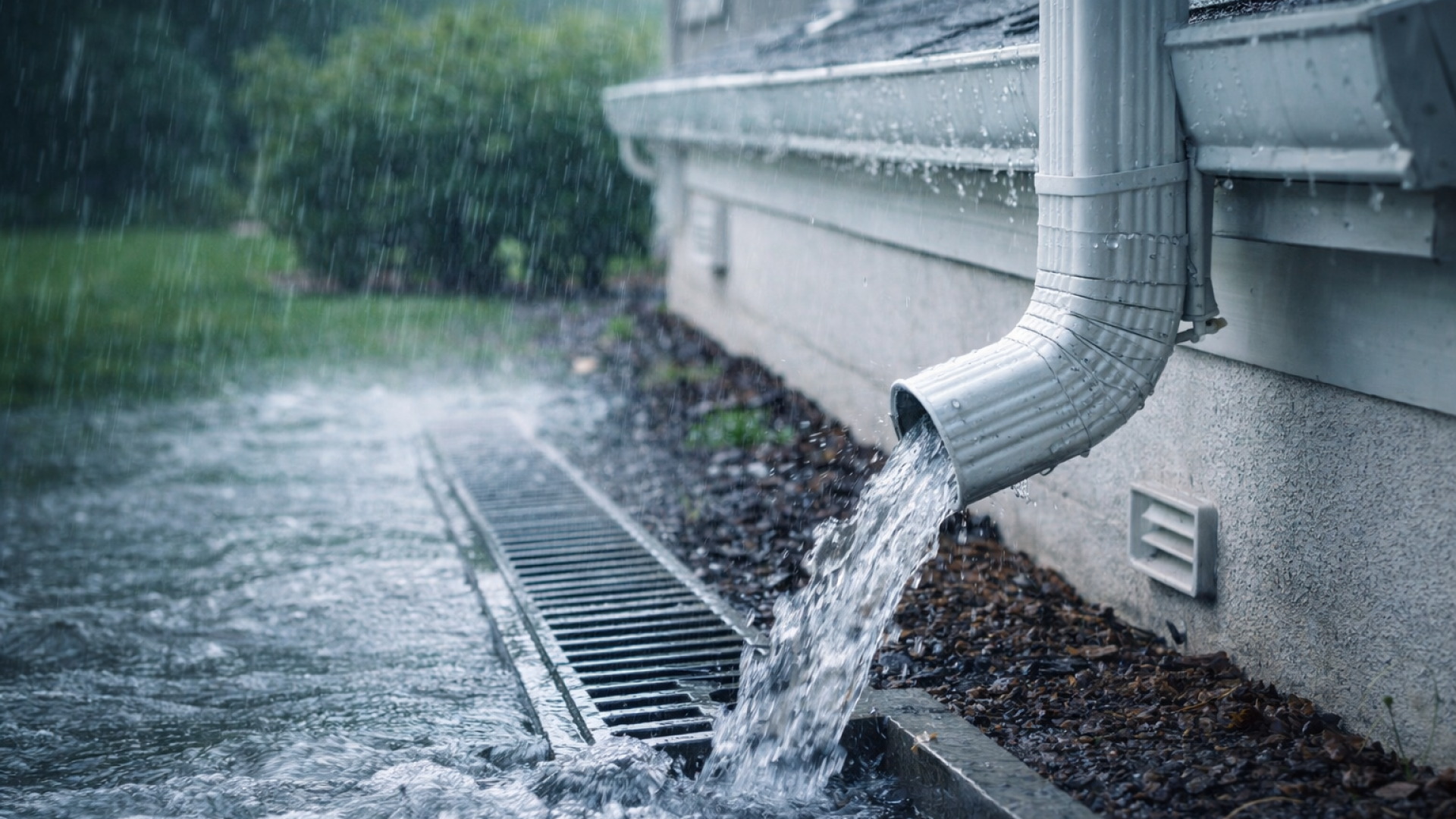
Finding standing water around your home after a rainstorm or during spring snowmelt may seem like a simple landscaping issue, but in many cases, the root cause starts much higher up on the house. Water pooling near foundations, walkways, patios, and landscaping is often connected to problems within the gutter system.
For homeowners across Calgary, Edmonton, and surrounding Alberta communities, proper water management is essential. Heavy snowfall, rapid snowmelt, summer thunderstorms, and frequent freeze-thaw cycles can place significant stress on a home's drainage systems. When gutters, downspouts, or related exterior components are not functioning properly, water can accumulate in areas where it does not belong.
A well-maintained gutter system is designed to collect rainwater and melting snow from the roof and direct it safely away from the home's foundation. When any part of that system fails, water pooling can become one of the earliest warning signs of a larger drainage issue.
For more than 23 years, Gutter Doctor has helped Alberta homeowners protect their properties through professional gutter, roofing, soffit, fascia, siding, and exterior maintenance services. Understanding the connection between water pooling and gutter performance can help homeowners identify problems before they lead to costly repairs.
What Does Water Pooling Around a Home Mean?
Water pooling occurs when runoff collects in one location and remains there instead of draining away naturally. Common areas where homeowners notice pooling include:
Along the foundation
Near downspouts
Around patios and decks
Beside walkways
In flower beds
Near garage entrances
In low areas of the yard
While grading and landscaping can contribute to these problems, gutters are often one of the first places that should be inspected.
How Gutters Are Supposed to Protect Your Property
A properly functioning gutter system performs a simple but important job.
Step 1: Collect Water from the Roof — During rainstorms and snowmelt, water flows down the roof and enters the eavestrough system.
Step 2: Move Water Toward Downspouts — Gutters channel collected water to strategically placed downspouts.
Step 3: Direct Water Away from the Home — Downspouts release water at designated locations where it can safely move away from the foundation.
When all three steps work properly, the risk of water pooling is significantly reduced.
Why Water Pooling Is Often a Gutter System Problem
Many homeowners assume standing water is caused by poor landscaping alone. However, gutter issues frequently contribute to the problem.
Gutters Control Large Volumes of Water
Even a moderate rainstorm can generate a substantial amount of roof runoff. Without proper collection and drainage, that water may accumulate around the home's perimeter.
Small Gutter Problems Can Create Big Drainage Issues
A single blockage, leak, or improperly functioning downspout can alter the path of water flow and cause recurring pooling. This highlights how a complete home drainage system relies on every component working in harmony.
Pooling Often Appears Near Water Discharge Points
If standing water consistently forms near downspouts or roof edges, the gutter system should be evaluated.
Common Gutter Problems That Cause Water Pooling
Clogged Gutters
Leaves, dirt, twigs, roofing granules, and debris can prevent water from flowing freely through the gutter system. When gutters become clogged:
Water may overflow the sides
Runoff spills directly beside the foundation
Landscaping may become saturated
Pooling develops near the home's perimeter
Regular professional cleaning services help maintain proper drainage performance.
Blocked Downspouts
Even if gutters appear clean, a blockage inside a downspout can create serious drainage issues. Signs of blocked downspouts include water overflowing during rain, gutters backing up, and persistent pooling near downspout outlets. Understanding how downspout cleaning prevents water damage to your foundation is critical for preventing soil oversaturation.
Improper Gutter Slope
Gutters must maintain the proper pitch to encourage water movement toward downspouts. If gutters sag or lose their slope, water sits inside the system, overflow becomes likely, and water pooling around the property increases.
Damaged Gutter Sections
Cracks, holes, loose seams, and damaged components can allow water to escape before reaching the downspouts. Over time, these leaks can create localized pooling and erosion.
Downspouts Releasing Water Too Close to the House
One of the most common causes of standing water is improper downspout discharge. Even when gutters function correctly, water that exits too close to the foundation may accumulate around the structure. This is why gutter spouts matter when managing heavy precipitation.
The Connection Between Water Pooling and Foundation Protection
One of the biggest concerns associated with standing water is its impact on the foundation.
Increased Soil Saturation: Water pooling near foundation walls can oversaturate surrounding soil.
Hydrostatic Pressure: Excess moisture can increase pressure against foundation walls.
Soil Movement: Repeated wetting and drying cycles may contribute to shifting soil conditions.
Moisture Intrusion Risks: Water that remains close to the structure increases the likelihood of moisture-related concerns.
This is why proper gutter drainage plays such an important role in overall home protection.
How Alberta Weather Makes Water Pooling Worse
Homeowners in Calgary, Edmonton, and throughout Alberta face unique drainage challenges because of how Alberta's weather affects your gutter system.
Spring Snowmelt: Large volumes of melting snow can overwhelm drainage systems if gutters are clogged or damaged.
Heavy Summer Rainstorms: Intense rainfall events can expose weaknesses in water management systems, making it urgent to learn how to prevent basement flooding during summer rainstorms.
Freeze-Thaw Cycles: Water that pools near the home may freeze, expand, and contribute to soil movement due to extreme seasonal temperature swings.
Ice Dams: Ice dams can interfere with roof drainage and cause water to back up into vulnerable areas. In the struggle of ice dams vs gutters, Gutter Doctor offers heat cable installation services to help homeowners address ice-related drainage concerns and maintain proper roof drainage to prevent ice buildup.
Signs Your Gutters May Be Causing Water Pooling
Watch for these warning signs:
Water collecting near the foundation
Overflowing gutters during rainfall
Water spilling over gutter edges
Eroded soil beneath rooflines
Sagging gutters
Downspouts leaking or disconnected
Wet areas that remain long after rain stops
Ice buildup near walkways during winter
Washed-out mulch and landscaping
Identifying these 5 signs your gutters need immediate attention early can help prevent more extensive exterior damage.
How Water Pooling Can Affect Other Exterior Systems
Gutter-related drainage issues can impact more than just the ground around your home.
Soffit and Fascia Damage: Overflowing water may expose soffit and fascia components to excessive moisture.
Siding Deterioration: Repeated water exposure can affect exterior cladding and siding materials.
Landscaping Damage: Standing water may harm plants, wash away mulch, and create erosion, highlighting the critical role of gutters in landscape preservation.
Walkway and Driveway Issues: Persistent moisture can affect nearby hardscaping and create slippery conditions.
Roofing System Stress: Drainage problems often indicate larger water management issues where blocked gutters can lead to roof damage.
Why Professional Gutter Inspections Matter
Many drainage problems are difficult to identify from the ground. The role of professional inspections in extending gutter system life is invaluable. An inspection can evaluate gutter condition, downspout performance, water flow patterns, drainage concerns, and exterior system interactions.
Homeowner Tips to Reduce Water Pooling
Clean Gutters Regularly: Remove debris that may interfere with water flow.
Inspect After Storms: Check for overflow, leaks, and drainage concerns following major weather events.
Monitor Downspout Performance: Observe where water exits the system during rainfall.
Watch for Soil Erosion: Washed-out areas often indicate excessive runoff.
Address Repairs Promptly: Minor gutter issues can quickly become larger drainage problems, which is why you should never put off gutter repairs in Alberta's unpredictable weather.
Schedule Routine Maintenance: Preventive maintenance helps keep water moving away from your home effectively.
Why Calgary and Alberta Homes Need Reliable Drainage Systems
The combination of snow, ice, rainfall, and fluctuating temperatures means Alberta homes rely heavily on effective water management. Properly functioning gutters help protect foundations, reduce erosion, preserve landscaping, support exterior durability, improve drainage efficiency, and minimize moisture-related concerns.
Why Homeowners Choose Gutter Doctor
For more than 23 years, Gutter Doctor has served Calgary, Edmonton, and surrounding Alberta communities with professional exterior services designed to help protect homes from water-related damage. Homeowners trust Gutter Doctor because they are family-owned, licensed and insured, experienced in Alberta's unique climate conditions, and committed to quality workmanship.
Their installation services and exterior repairs include:
Gutter cleaning
Gutter repairs
Gutter installation
Roofing services
Soffit services
Fascia services
Siding solutions
Cladding services
Heat cable installation
Exterior maintenance services
Common Questions Homeowners Should Ask
Before addressing a drainage problem, consider these questions:
Are my gutters overflowing during rainfall?
Are my downspouts directing water away from the foundation?
Has soil erosion appeared near rooflines?
Do I notice standing water after storms?
Have my gutters been inspected recently?
Could winter ice be affecting drainage performance?
Answering these questions can help identify potential causes of recurring pooling issues.
Frequently Asked Questions
Why is water pooling near my home's foundation? Water pooling near a foundation is often caused by improper drainage, clogged gutters, blocked downspouts, or water being discharged too close to the house.
Can clogged gutters cause standing water around a home? Yes. Clogged gutters may overflow and release large amounts of water directly beside the foundation, contributing to pooling.
How do downspouts affect drainage? Downspouts determine where water exits the gutter system. Poor placement or blockages can cause water to collect near the home.
Is standing water around a house a serious problem? Persistent standing water can contribute to erosion, moisture concerns, and foundation-related issues if left unaddressed.
How can I tell if my gutters are causing drainage problems? Overflowing gutters, visible leaks, erosion beneath roof edges, and recurring pooling near downspouts are common indicators.
Does Alberta weather increase the risk of drainage problems? Yes. Heavy snowfall, snowmelt, summer storms, and freeze-thaw cycles can place significant stress on drainage systems.
Can damaged gutters cause water pooling? Yes. Cracks, holes, sagging sections, and loose connections can interfere with proper water flow and lead to pooling.
How often should gutters be inspected? Regular inspections are recommended, especially before and after winter and following major storms. Understanding why seasonal gutter inspection is a lifesaver for Alberta homes can keep problems from escalating.
What should homeowners do if they notice standing water? Investigating the gutter system is often a good first step, as drainage issues frequently originate from roof runoff management problems.
Can professional gutter maintenance help reduce pooling? Yes. Regular maintenance and inspections help ensure water is properly collected and directed away from the property.
Conclusion
Water pooling around your home is often more than a simple landscaping concern. In many cases, it is an early warning sign that your gutter system is not effectively managing roof runoff. Whether caused by clogged gutters, blocked downspouts, improper drainage, or damaged components, these issues can contribute to erosion, moisture problems, and long-term property damage if ignored.
For homeowners throughout Calgary, Edmonton, and surrounding Alberta communities, maintaining a properly functioning gutter system is one of the most effective ways to protect foundations, landscaping, and exterior surfaces from unnecessary water exposure.
Understanding the connection between gutters and drainage helps homeowners take proactive steps toward preserving their property's long-term value and performance.
Request a Free Estimate from Gutter Doctor
If you've noticed standing water around your home, overflowing gutters, drainage concerns, or signs of exterior water damage, Gutter Doctor can help.
Contact Gutter Doctor today to request a free estimate and learn how professional gutter, roofing, soffit, fascia, siding, and exterior maintenance services can help protect your Alberta home from water-related issues year-round.
