

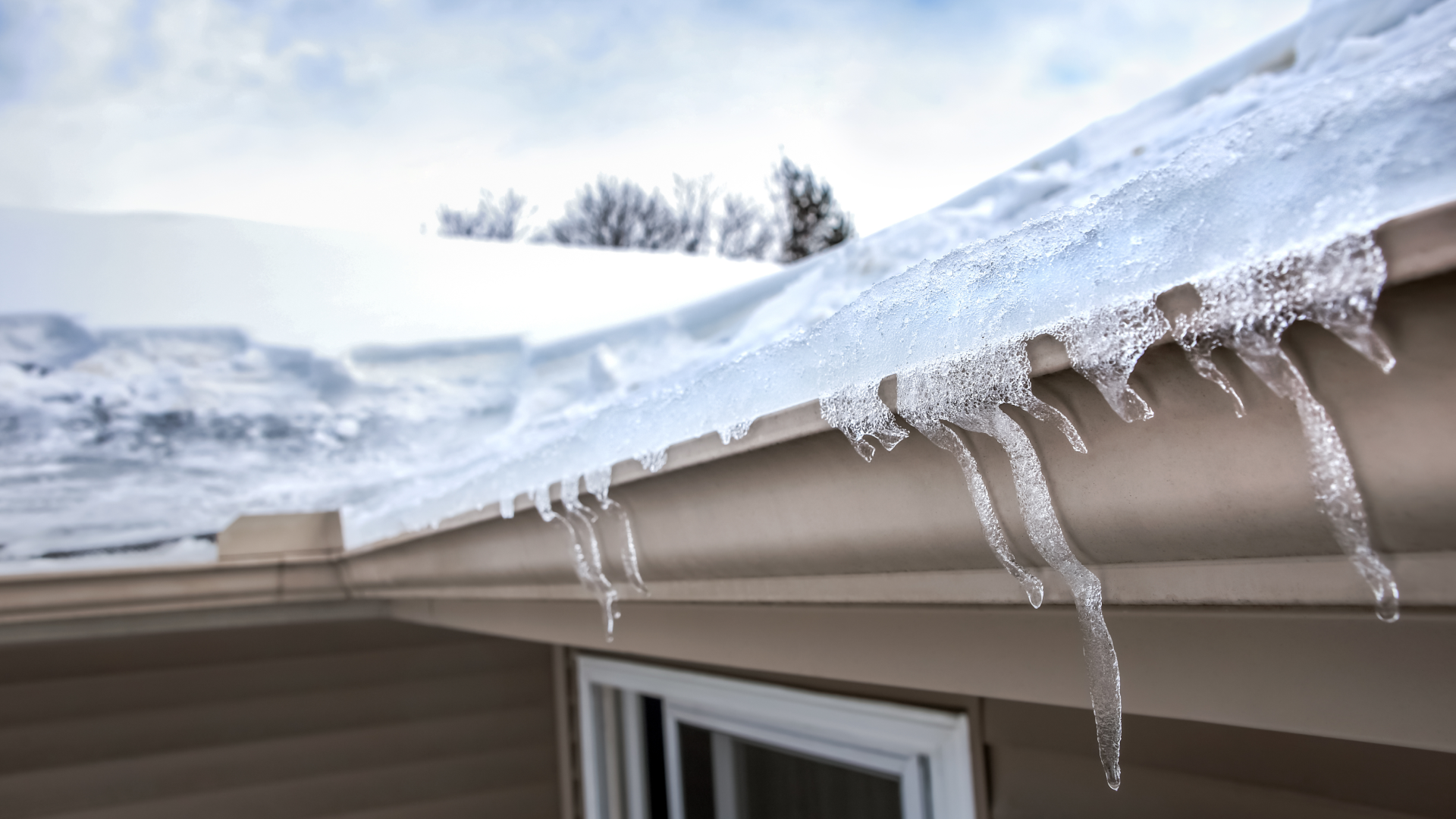
Alberta’s first mix of snow and rain can create unexpected challenges for your home's eavestroughs. One day, water may drain normally during rainfall. The next, a combination of wet snow, melting ice, falling temperatures, and leftover leaves can change how water moves through the same gutter system.
For Calgary homeowners, this transition matters because autumn debris and freezing temperatures can arrive together. Water may move slowly through an eavestrough, collect around a blocked outlet, spill over the edge, or freeze before it reaches the downspout's discharge point.
Understanding why these changes happen can help homeowners recognize drainage problems before winter conditions become more difficult to manage.
Why the First Snow and Rain Mix Changes Gutter Drainage
During ordinary rainfall, water generally flows from the roof into the eavestrough, travels toward an outlet, and drains through the downspout. The system works best when the trough is clear, correctly positioned, and securely attached.
The first snow and rain mix introduces several variables.
Wet snow can collect on roof edges and inside eavestroughs. This may restrict the space available for water to flow.
Melting snow creates additional runoff. Water can enter the gutter while rain is still falling.
Falling temperatures can freeze standing water. Ice may narrow the drainage path or block sections of the system.
Autumn leaves can trap moisture and debris. Existing blockages may become more troublesome when freezing weather arrives.
Repeated temperature changes can alter water movement. Water may flow during a warmer period and freeze again as temperatures drop.
These conditions can occur together, which is why a gutter system that appears adequate during a dry autumn day may struggle during the first winter storm.
1. Wet Snow Can Slow Water Movement
Snow that falls near the freezing point often contains more moisture than light, powdery snow. When wet snow accumulates along roof edges or inside eavestroughs, it can mix with leaves and other debris to form a dense buildup.
This can reduce the space available for water to move through the gutter.
If the outlet is already partially blocked, water from rain and melting snow may back up more quickly. Homeowners may notice water spilling over the gutter edge even when the rainfall does not seem particularly heavy.
What to check: Look for visible snow and debris buildup around gutter outlets, corners, and low sections. Avoid climbing onto an icy roof or trying to remove frozen material yourself.
2. Melting Snow Adds Another Source of Water
During a snow and rain mix, water may reach your eavestroughs from two sources at once: rainfall and snow melting on the roof.
This can change the amount and timing of runoff entering the drainage system.
If your gutters are clear and functioning properly, they can channel water toward the downspouts. But if leaves, dirt, or existing damage restrict the flow, the additional runoff may expose a problem that was not noticeable during dry weather.
Gutter Doctor explains that Alberta's changing temperatures and snowmelt can put added demands on residential drainage systems, particularly when gutters or downspouts are blocked or damaged. Learn more about how Alberta's weather affects your gutter system.
What to check: During a safe observation from the ground, watch whether water flows toward the downspouts or spills over the front edge. Repeated overflow deserves attention.
3. Water Can Freeze Before It Reaches the Downspout
One of the biggest differences between ordinary rain and a rain-snow mix is the risk of freezing.
Water may initially flow through the eavestrough, then freeze when temperatures drop. If freezing occurs around an outlet or inside a downspout, it can narrow or block the drainage path.
A later warm spell may melt some of the ice, allowing water to move again. If temperatures fall afterward, that water can freeze once more.
This repeated freezing and thawing is a familiar challenge for Alberta homes. Gutter Doctor notes that these cycles can place stress on gutter joints and connections, particularly when water is not draining properly. Read more about how Alberta freeze-thaw cycles affect exterior drainage systems.
Homeowners should watch for recurring ice buildup, leaks, sagging sections, and repeated drainage issues rather than treating each occurrence as an isolated problem.
4. Fallen Leaves Can Make the First Winter Storm Worse
Leaves are a common reason for restricted drainage during autumn. When wet snow and freezing conditions arrive before the gutters have been cleaned, existing debris can become part of a larger blockage.
Leaves may collect around:
Gutter corners and seams
Outlet openings
Downspout entrances
Areas where water already drains slowly
When debris combines with ice, water may have less room to pass through the system.
This is why clearing eavestroughs before significant snowfall is an important part of seasonal maintenance. Gutter Doctor recommends spring and fall cleaning, with more frequent attention for properties surrounded by mature trees. Find out more about the importance of regular eavestrough cleaning in Edmonton and how fallen leaves can affect gutter connections, outlets, and water flow.
5. Overflow Can Affect More Than the Gutters
When water cannot move through the drainage system as intended, it may spill over the edge and run down the home's exterior.
Repeated overflow can expose fascia, soffits, siding, and the ground around the property to unnecessary moisture. Depending on where the water lands, it may also contribute to soil erosion or pooling near the foundation.
A blocked downspout can create a similar issue by releasing water in an unintended location or preventing it from reaching its proper discharge point.
Gutter Doctor identifies overflowing gutters, standing water, soil erosion, and poor downspout performance as signs that exterior water management may need attention. Learn more about how downspout cleaning prevents water damage to your foundation.
If you notice recurring pooling, check the entire drainage route instead of assuming the problem is limited to the ground or landscaping.
6. Gutter Connections May Experience Additional Stress
During a rain and snow mix, water can collect in sections where drainage is restricted. Wet debris and accumulated ice may add further weight.
If a gutter is already loose, sagging, or improperly supported, these conditions can make an existing problem more noticeable.
Pay attention to:
Sections that appear lower than the rest of the gutter
Visible gaps between gutter sections
Water leaking around joints
Loose fasteners or brackets
Gutters pulling away from the fascia
These signs do not automatically mean the first snowfall caused the damage. They may indicate a pre-existing issue that became more apparent during changing weather.
Gutter Doctor offers eavestrough and downspout repairs, including work on leaks, damaged sections, and loose attachments. You can also learn how to recognize eavestrough damage before it becomes a problem.
7. Water May Behave Differently at Ground Level Too
Sometimes the first sign of a gutter problem appears on the ground rather than at the roofline.
During a rain and snow mix, water can discharge from downspouts onto ground that is already wet, partly frozen, or covered in snow. As the weather changes, water may pool in low areas or follow a different path across the property.
Homeowners should pay attention to:
Standing water near the foundation
Washed-out soil or garden beds
Water collecting around walkways
Downspouts discharging too close to the house
Repeated wet patches beneath roof edges
Gutter Doctor's guidance on Alberta drainage patterns emphasizes following water from the roof through the eavestroughs and downspouts to its final discharge area. For additional guidance, read the complete home drainage system: how gutters, downspouts, and grading work together.
The goal is to make sure water has a clear route away from the home, even as rain transitions to snow and back again.
What Calgary Homeowners Should Check Before the First Snow and Rain Mix
A little preparation before winter weather arrives can help identify visible problems early.
Pre-winter drainage checklist
Remove fallen leaves and visible debris from eavestroughs.
Check gutter corners, seams, and outlet openings for buildup.
Look for loose, sagging, or visibly damaged gutter sections.
Make sure downspouts are connected and free of visible blockages.
Observe water movement during rainfall from a safe location.
Check for overflow marks, soil erosion, or water pooling near the home.
Arrange professional attention for recurring leaks or drainage problems.
Never climb onto a snow-covered or icy roof to inspect the system. Ground-level observations are useful, but professional inspection may be needed to assess hard-to-reach areas safely.
For a more detailed seasonal guide, read what Calgary homeowners should check around their eavestroughs before the first snowfall.
When Should You Call a Gutter Professional?
Consider arranging an inspection if you notice persistent overflow, leaking connections, visibly sagging gutters, blocked downspouts, or repeated ice buildup.
Professional maintenance can help identify whether the issue involves debris, gutter alignment, damaged connections, or another part of the drainage system.
If ice buildup repeatedly affects your roofline, a professional can also assess whether the system needs repairs or whether a suitable ice-management option, such as heat cable installation, may be appropriate. Gutter Doctor offers heat cable installation as part of its exterior services.
Do not try to chip away at gutter ice or pour hot water into frozen downspouts. These approaches can create additional hazards or damage. It is safer to have persistent blockages assessed professionally.
Frequently Asked Questions
Why does water overflow from my gutters during a rain and snow mix?
The combination of rainfall and melting snow can increase runoff. If leaves, ice, or another obstruction restricts the outlet or downspout, water may back up and spill over the gutter edge.
Can the first snowfall block my downspouts?
Snow alone does not always block a downspout, but snowmelt can freeze inside or around a drainage opening when temperatures fall. Existing debris may make restricted drainage more likely.
Should I clean my gutters before the first snowfall?
Yes. Removing autumn leaves and checking outlets and downspouts before significant snowfall helps prepare the system for winter runoff. Learn more about eavestrough and downspout cleaning services.
Why do my gutters drain during the day but freeze at night?
Water may flow while temperatures are above freezing, then freeze as temperatures fall. If water remains trapped because of debris, poor drainage, or an obstruction, freezing can restrict the flow further.
Can a rain and snow mix damage gutter connections?
It can place additional stress on a system that already has loose fasteners, sagging sections, damaged joints, or accumulated debris. Visible problems should be assessed rather than assumed to be caused by one storm.
What should I do if I see ice forming in my eavestroughs?
Observe the situation from the ground and watch for recurring overflow or leaks. Avoid climbing ladders or chipping ice from the gutter. Contact a professional if ice buildup repeatedly interferes with drainage.
Can clogged gutters cause water to pool near my foundation?
Yes. Overflowing gutters or poorly draining downspouts can release water near the home, contributing to pooling and soil erosion. Persistent pooling should be investigated to identify the source.
How often should Calgary homeowners have their gutters cleaned?
Gutter Doctor recommends cleaning at least twice a year for many homes, typically in late spring and late fall. Homes surrounded by mature trees may need additional cleaning. Find out more about why seasonal gutter inspection is important for Alberta homes.
Prepare Your Eavestroughs for Alberta's Changing Weather
The first snow and rain mix can reveal problems that ordinary autumn rainfall does not. Wet snow, melting runoff, freezing temperatures, and fallen leaves can all affect how water moves through your eavestroughs, outlets, and downspouts.
Before winter sets in, make sure debris is cleared, visible damage is addressed, and water has a clear route away from your property. If you notice recurring overflow, leaks, sagging sections, or ice-related drainage problems, it is worth having the system assessed before the next round of changing weather.
Gutter Doctor provides gutter cleaning, eavestrough installation and repairs, downspout services, and other exterior maintenance services for homeowners in Calgary, Edmonton, and surrounding Alberta communities.
