

What Homeowners Should Know About Winter Roof Drainage Challenges
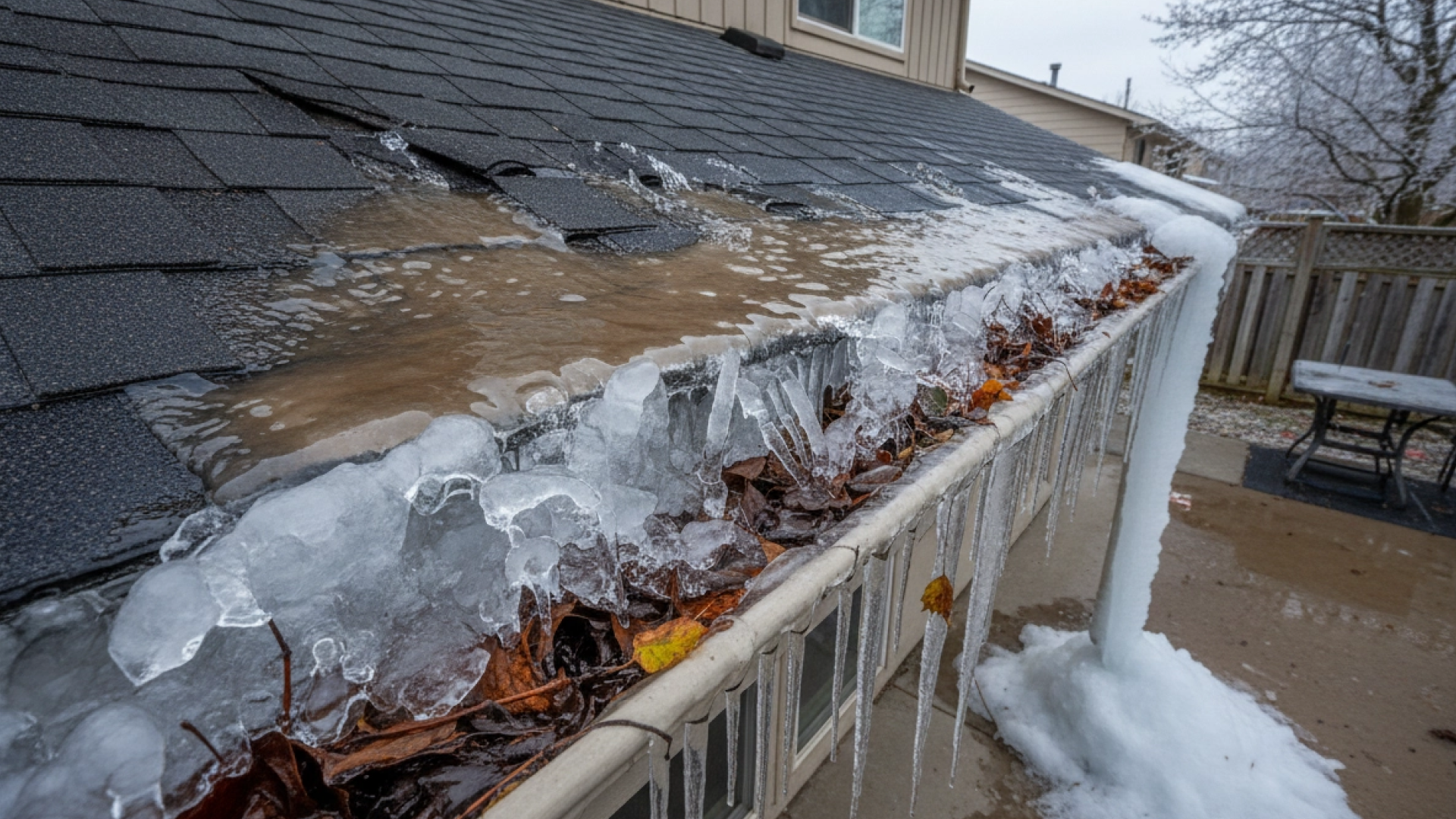
Winter creates a unique set of challenges for residential roof drainage, particularly in Calgary, Edmonton, and surrounding Alberta communities. Heavy snowfall, sudden warm periods, Chinook conditions, and repeated freeze-thaw cycles can change how water moves across a home's roof and through its gutter system.
For homeowners, the important thing to understand is that winter roof drainage problems rarely involve the roof alone. Roofing, eavestroughs, downspouts, fascia, soffit, and the surrounding drainage areas all work together to manage rainwater and melting snow. When one part of that system becomes restricted, damaged, or poorly positioned, winter conditions can make the problem more noticeable.
A clean, properly functioning drainage system gives melting snow somewhere to go. A blocked or damaged system can allow water to back up, freeze, and create additional stress around the roof edge.
For more than 23 years, Gutter Doctor has served homeowners throughout Calgary, Edmonton, and surrounding Alberta communities with exterior services including gutter cleaning, gutter installation, gutter repairs, roofing, fascia, soffit, siding, cladding, and heat cable installation.
Why Winter Roof Drainage Is Different
During warmer seasons, rainfall generally moves through the roof drainage system relatively quickly. Winter introduces another variable: water can freeze.
Snow accumulates on the roof. When temperatures rise, some of that snow can melt. The resulting water moves toward the roof edge and into the eavestrough system. When temperatures fall again, remaining water can freeze.
This repeated process can create challenging conditions for the drainage system.
Gutter Doctor explains that Alberta's freeze-thaw cycles involve snow and ice melting, water moving through the drainage system, temperatures dropping again, and remaining water freezing. When this happens repeatedly, exterior drainage components are exposed to ongoing cycles of freezing and thawing.
That is why winter drainage should be viewed as an ongoing process rather than a single maintenance task.
How Does a Residential Roof Drainage System Work in Winter?
A home's exterior drainage system consists of several connected components:
Roofing
Downspouts
Fascia
Soffit
Exterior drainage around the property
The roof receives snow and precipitation. As snow melts, water travels across the roofing surface toward the roof edge. Eavestroughs collect that runoff, while downspouts carry it away from the home.
The surrounding grading and drainage areas then help move water away from the structure.
Gutter Doctor's complete home drainage guidance emphasizes that these components work together. A problem with one portion of the system can affect water movement elsewhere.
This interconnected design is particularly important during winter because freezing temperatures can interrupt water movement.
Heavy Snowfall Can Increase Drainage Demands
Heavy snowfall is one of the most obvious winter concerns for Alberta homeowners.
Snow itself does not necessarily create a drainage problem. The challenge begins when accumulated snow starts melting.
During warmer periods, melting snow can produce significant amounts of water. If the eavestroughs and downspouts are clean and functioning properly, that water has a path away from the roof.
If debris, damage, poor positioning, or ice restricts that path, water may not move as intended.
Gutter Doctor recommends preparing drainage systems before winter by removing leaves and debris, checking downspouts, watching for sagging gutter sections, and identifying drainage concerns before temperatures drop. Homeowners can also review this guide to identifying drainage risks before winter arrives.
What Are Freeze-Thaw Cycles?
A freeze-thaw cycle occurs when temperatures move above and below freezing.
For a residential drainage system, the process can look like this:
Snow or ice begins melting.
Water starts moving through the roof drainage system.
Temperatures fall.
Remaining water freezes.
Warmer conditions return.
More snow or ice melts.
The cycle repeats.
In Alberta, these changes can occur throughout the winter.
The repeated movement between liquid water and ice is one reason homeowners should pay attention to recurring winter drainage problems instead of treating each instance of ice buildup as an isolated event.
Why Blocked Gutters Can Become a Winter Problem
A gutter filled with leaves, dirt, twigs, or other debris has less room for water to move.
This matters during winter because melting snow needs a clear drainage path.
Gutter Doctor explains that when debris remains in eavestroughs, melting snow can have nowhere to go. Water may back up, refreeze, and add weight and pressure to the drainage system.
Winter gutter cleaning is therefore not simply about making the gutters look clean. It is about preparing the drainage system for changing weather conditions.
Professional gutter cleaning can include removing leaves, dirt, and debris from gutters and downspouts while checking for visible issues. Gutter Doctor also notes that loose screws or spikes may be tightened or replaced as needed during cleaning. Homeowners can also learn more about why winter gutter cleaning matters.
Ice Buildup Around the Roof Edge
Ice buildup is one of the most visible signs of winter drainage challenges.
When snow melts and the resulting water reaches colder areas near the roof edge, it can refreeze. Repeated melting and refreezing can cause ice to accumulate around eaves and gutters.
Gutter Doctor explains that blocked, poorly pitched, or damaged gutters and downspouts can make it harder for meltwater to move properly, increasing the potential for water to back up and refreeze. Proper gutter pitching can therefore be an important part of effective drainage.
Homeowners should pay attention to recurring ice accumulation, particularly when it appears alongside other signs such as:
Sagging gutters
Water stains
Leaks
Overflowing gutters
Blocked downspouts
Significant ice around eaves
Damage around roof-edge components
The goal should not simply be to remove visible ice. Repeated ice buildup deserves attention to the underlying drainage conditions.
What Is an Ice Dam?
An ice dam can form when melting snow reaches a colder section of the roof and refreezes.
As the ice accumulates, it can create a barrier that interferes with normal water movement.
Gutter Doctor explains that ice dams can develop when snow melts on a heated roof and the resulting water flows toward a colder roof edge, where it refreezes. Repeated cycles can cause the ice ridge to grow.
This is why roof drainage and ice management are closely connected.
An ice dam should not automatically be assumed to mean that the gutter itself is the only problem. Roof conditions, drainage restrictions, roof-edge areas, and other exterior components may all deserve consideration. Homeowners can also review ice dams vs. gutters for additional information.
How Gutters and Downspouts Work Together
A gutter can only do its job effectively if water has somewhere to go after it reaches the eavestrough.
That is where downspouts become important.
Downspouts carry water away from the home's perimeter. If a downspout is blocked, damaged, disconnected, or unable to move water effectively, the rest of the drainage system may be affected.
Gutter Doctor recommends checking downspouts and ensuring that they direct water away from the foundation. Proper downspout extensions can also help improve water diversion.
During winter, homeowners should watch for:
Ice around downspout openings
Visible blockages
Water backing up near the gutter
Damage or separation
Poor water discharge areas
Repeated freezing at the same location
A drainage problem at the downspout can become more noticeable when snow begins melting.
Fascia and Soffit Should Not Be Overlooked
The roof drainage system does not stop at the gutter.
Fascia and soffit are important parts of the roof-edge area. Fascia supports the gutter system, while soffit helps protect the roof overhang and supports attic ventilation.
Gutter Doctor explains that properly installed fascia and soffit help protect roof edges and support gutter alignment during freeze-thaw conditions.
This makes them worth examining when winter drainage concerns appear.
For example, if a homeowner notices gutter movement, moisture concerns, or damage around the roof edge, looking only at the visible gutter may not provide the complete picture.
The surrounding fascia, soffit, and roof-edge components may also need assessment.
What Warning Signs Should Homeowners Watch For?
Winter drainage problems can present themselves in several ways.
Large Icicles
Large or recurring icicles can indicate that water is melting and refreezing around the roof edge.
Sagging Gutters
A gutter that is pulling away or sagging may not maintain proper water flow.
Water Stains
Water staining around exterior areas can indicate repeated moisture exposure and deserves further attention.
Ice Around Gutters
Ice accumulating in or around eavestroughs may interfere with normal drainage.
Overflowing Gutters
Overflow during rain or melting conditions can indicate debris, drainage restrictions, improper slope, or damaged components.
Water Near the Foundation
If runoff is not being directed away effectively, water may collect around the property. Homeowners can learn more about why water pooling near your home can be a gutter-system problem.
Soil Erosion
Washed-out soil or erosion near discharge points can indicate that water is not being managed effectively. Proper drainage can help reduce soil erosion around your home.
Gutter Doctor identifies overflow, pooling, soil erosion, water stains, sagging gutters, and winter ice buildup among the warning signs homeowners should monitor.
Why Fall Preparation Matters for Winter Drainage
One of the best times to address winter drainage concerns is before winter arrives.
Autumn is particularly important because leaves, pine needles, and other debris can accumulate quickly. Strong winds can also introduce additional material into gutters.
Gutter Doctor recommends preparing before temperatures drop by cleaning gutters, removing debris, checking downspouts, observing water flow, and looking for signs of sagging or exterior moisture exposure. Autumn is an important time to evaluate the entire roof drainage system.
This approach gives homeowners an opportunity to identify problems while conditions are still more manageable.
Instead of discovering a blocked drainage system during a mid-winter thaw, homeowners can address potential concerns beforehand.
Can Heat Cables Help With Winter Drainage?
For homes that experience recurring ice buildup, professionally installed heat cables can be part of a winter ice-management approach.
Gutter Doctor offers self-regulating heat cable installation. According to the company's installation information, these cables adjust to temperature and can be strategically installed along eavestroughs, downspouts, and roof areas to help prevent ice buildup and ice dams.
The company describes these cables as particularly useful for homes where ice buildup is a concern.
This does not mean every home requires heat cables. The appropriate approach depends on the home's conditions and existing drainage concerns.
What Homeowners Can Do Before Winter
Preparing a home's roof drainage system does not have to be complicated.
A practical pre-winter checklist includes:
Clean the eavestroughs.
Remove leaves and visible debris.
Check downspouts.
Look for sagging gutter sections.
Watch for leaks or damaged areas.
Inspect visible roof-edge components.
Look for signs of water staining.
Observe how water moves after rainfall.
Check for soil erosion or pooling.
Consider professional assessment if problems keep returning.
Gutter Doctor's winter preparation guidance similarly recommends cleaning gutters before winter, checking downspouts, monitoring water flow, and scheduling professional inspection when concerns are identified.
What About Winter Gutter Cleaning?
Homeowners sometimes assume that once winter arrives, gutter maintenance has to wait until spring.
However, Gutter Doctor notes that winter gutter maintenance can be important because warm periods can create snowmelt that needs to move through the drainage system.
If debris remains in the eavestroughs, melting water can back up and freeze. That can increase weight and pressure on the gutter system and contribute to drainage concerns.
Winter maintenance should always be approached with safety in mind. Roofs, ladders, ice, and snow create hazards, particularly when working at height.
Professional service can be especially useful when homeowners are uncomfortable accessing the roofline or when drainage problems are difficult to evaluate safely from the ground. Gutter Doctor also provides guidance on eavestrough cleaning safety.
Why Roof Drainage Should Be Viewed as a Complete System
One of the most important things homeowners can understand is that roof drainage is not simply a gutter issue.
The complete system includes:
Roofing → Eavestroughs → Downspouts → Discharge Area → Exterior Drainage
Fascia and soffit also interact with the roof-edge portion of this system.
A problem upstream can affect everything downstream.
For example, a roofing issue can influence runoff. A gutter restriction can affect water movement. A blocked downspout can prevent water from leaving the system. Poor discharge can contribute to water collecting near the home.
Gutter Doctor's complete home drainage guidance emphasizes the interconnected nature of roofing, gutters, downspouts, soffit, fascia, and exterior drainage.
Thinking about the system as a whole can help homeowners avoid focusing on only the most visible symptom.
When Should You Schedule a Professional Assessment?
A professional assessment can be useful when a homeowner notices recurring or unexplained drainage problems.
Consider having the exterior drainage system evaluated if you notice:
Repeated ice buildup
Ice dams
Recurring gutter overflow
Sagging eavestroughs
Damaged downspouts
Water stains
Soil erosion
Water pooling around the property
Concerns around fascia or soffit
Drainage problems that return after cleaning
Professional assessment can look beyond the visible symptom and evaluate the roof drainage, gutters, downspouts, exterior moisture exposure, and related areas. Gutter Doctor's professional property assessment guidance specifically recommends looking at these interconnected components when winter ice buildup or other drainage concerns are present.
Why Alberta Homeowners Need a Seasonal Approach
Calgary, Edmonton, and surrounding Alberta communities experience weather conditions that can change rapidly.
A home may experience:
Heavy snowfall
Freezing temperatures
Warmer periods
Freeze-thaw cycles
Spring snowmelt
Strong winds
Summer rainfall
Each season places different demands on the exterior drainage system.
That is why a year-round approach to exterior maintenance can be more effective than waiting until a visible problem becomes severe.
Spring can reveal problems created during winter. Summer rainfall can demonstrate how efficiently the system handles water. Fall provides an opportunity to remove debris and prepare for snow. Winter brings snowmelt, freezing, and ice-management challenges.
Gutter Doctor's Alberta-focused guidance emphasizes the importance of preparing drainage systems for these seasonal changes.
A Simple Winter Roof Drainage Checklist
Before and during winter, homeowners can use this checklist to monitor their home's exterior drainage:
Roof
Watch for significant ice accumulation.
Look for visible roof-edge concerns.
Pay attention to recurring winter drainage issues.
Gutters
Keep eavestroughs clear of debris.
Look for sagging or separation.
Watch for overflow.
Check for visible leaks or damage.
Downspouts
Confirm they are connected.
Watch for blockages.
Make sure water is directed away from the home.
Fascia and Soffit
Look for visible damage.
Watch for moisture-related concerns around roof edges.
Consider their condition when gutter problems are present.
Around the Property
Look for pooling water.
Watch for soil erosion.
Observe areas that repeatedly become icy.
During Winter
Monitor recurring ice buildup.
Watch for ice dams.
Pay attention to large icicles.
Consider professional assessment when problems continue.
Frequently Asked Questions About Winter Roof Drainage
Why does winter create drainage problems for homes?
Winter introduces snow, ice, freezing temperatures, and freeze-thaw cycles. When snow melts and water cannot move properly through the drainage system, it can back up and refreeze around gutters and roof edges.
Can clogged gutters contribute to ice buildup?
Yes. Debris can restrict water flow, leaving melting snow with fewer pathways through the drainage system. Gutter Doctor explains that backed-up water can refreeze and increase pressure on the gutter system.
What causes ice dams?
Ice dams can form when snow melts on a warmer part of the roof and the resulting water reaches a colder roof edge, where it freezes. Repeated melting and refreezing can cause an ice barrier to grow.
Should downspouts be checked before winter?
Yes. Downspouts are responsible for carrying water away from the home's perimeter. Checking them before winter helps identify blockages, damage, or discharge concerns before snowmelt occurs.
Are fascia and soffit related to roof drainage?
Yes. Fascia supports the gutter system, while soffit protects roof overhangs and supports ventilation. Gutter Doctor notes that properly installed fascia and soffit also help support gutter alignment and protect roof edges during freeze-thaw conditions.
Can heat cables help prevent ice dams?
Gutter Doctor offers self-regulating heat cable installation designed to help prevent ice buildup and ice dams around roof areas, eavestroughs, and downspouts.
What are signs that a winter drainage problem needs attention?
Recurring ice buildup, large icicles, sagging gutters, water stains, overflowing gutters, damaged downspouts, pooling water, and soil erosion are all signs worth investigating. Homeowners can also review these signs that gutters need immediate attention.
Is winter gutter cleaning necessary?
It can be. Gutter Doctor explains that winter snowmelt needs a clear drainage path, and debris left in gutters can contribute to water backup and refreezing.
When is the best time to prepare gutters for winter?
Fall is an important preparation period because leaves and other debris can accumulate before snowfall. Cleaning and checking the drainage system before winter can help identify concerns early. Homeowners can also review these reasons to clean gutters before Alberta's fall leaves drop.
Should homeowners remove ice from their roof themselves?
Roof and gutter work during icy conditions can present significant safety concerns. Homeowners who are uncomfortable working at height or who have recurring drainage issues should consider professional assistance rather than attempting unsafe roof access.
Does every home with winter ice need heat cables?
Not necessarily. Heat cables are an option Gutter Doctor provides for homes where ice buildup is a concern. The appropriate approach depends on the home's specific drainage conditions and winter problems.
How Gutter Doctor Helps With Winter Roof Drainage Challenges
For homeowners in Calgary, Edmonton, and surrounding Alberta communities, winter roof drainage requires attention to more than one component.
Gutter Doctor provides exterior services that address several parts of the system, including:
Gutter cleaning
Gutter installation
Gutter repairs
Downspout repairs
Roofing
Fascia services
Soffit services
Siding services
Cladding
Heat cable installation
Exterior maintenance
The company is family-owned, has more than 23 years of experience, and is licensed and insured in Alberta. It also offers free estimates. Homeowners can contact Gutter Doctor to discuss exterior drainage concerns.
This broader exterior-service approach can be valuable when winter drainage problems involve multiple connected components rather than a single gutter section.
Final Thoughts
Winter roof drainage challenges are a normal concern for homeowners across Alberta, but they should not be ignored.
Heavy snowfall, snowmelt, freezing temperatures, Chinook conditions, and repeated freeze-thaw cycles can place additional demands on a home's drainage system. When gutters or downspouts are blocked, damaged, poorly positioned, or unable to move water effectively, melting snow may back up and refreeze.
The most practical approach is prevention.
Clean gutters before winter. Check downspouts. Watch for sagging, leaks, overflow, and water stains. Pay attention to recurring ice buildup and ice dams. Consider fascia, soffit, roofing, and exterior drainage as part of the same connected system.
For homeowners in Calgary, Edmonton, and nearby Alberta communities, seasonal inspection and maintenance can help identify drainage concerns before they become larger exterior problems.
If your home is showing signs of winter drainage trouble, Gutter Doctor offers professional gutter cleaning, repairs, roofing, fascia, soffit, and heat cable installation services, along with free estimates.
Gutter Doctor — helping Alberta homeowners keep their exterior drainage systems prepared for every season.